Morels (Morchella spp.) are a group of edible mushrooms from the Ascomycota phylum, known for their distinct conical caps with a honeycomb appearance. These mushrooms are considered a culinary delicacy across the world due to their unique texture and rich, savory taste (Tietel & Masaphy, 2018).
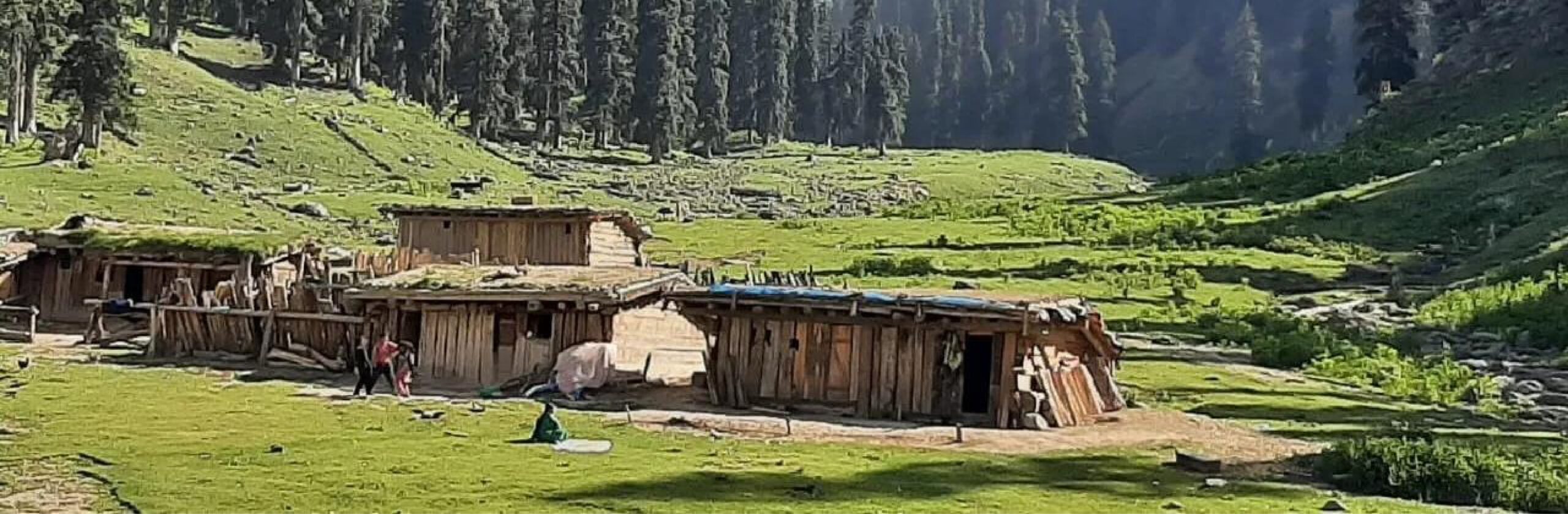
Found in forested regions including the Himalayas, morels tend to grow in moist environments during spring. They are mostly harvested from the wild, as their cultivation remains technically complex despite recent advances (Xu et al., 2025).
The distinct flavor of morels stems from compounds such as aspartic and glutamic acids (which contribute to their umami taste), rare amino acids, and volatile aroma compounds like linoleic acid derivatives (Xu et al., 2025).
Morels are not just prized for flavor — they are also valued for their nutritional density and bioactive compounds:
| Nutrient | Amount | Source |
|---|---|---|
| Calories | 35.5–38.6 kcal | Xu et al., 2025 |
| Protein | 0.75–1.15 g | Xu et al., 2025 |
| Fat | 0.22–0.39 g | Xu et al., 2025 |
| Carbohydrates | 7.45–8.05 g | Xu et al., 2025 |
| Dietary Fiber | 0.41 g | Amorim et al., 2022 (via Xu et al., 2025) |
| Iron | Up to 3.1 mg | Sarikurkcu et al., 2022 (via Xu et al., 2025) |
| Potassium | ~410 mg | Xu et al., 2025 (high K-to-Na ratio) |
| Phosphorus | ~194 mg | Xu et al., 2025 |
| Zinc | 2.03 mg | Yesil et al., 2004 (via Xu et al., 2025) |
| Selenium | 2.2 µg | Zhu et al., 2019 |
| Vitamin D2 | 206 IU (via ergosterol conversion) | Xu et al., 2025 |
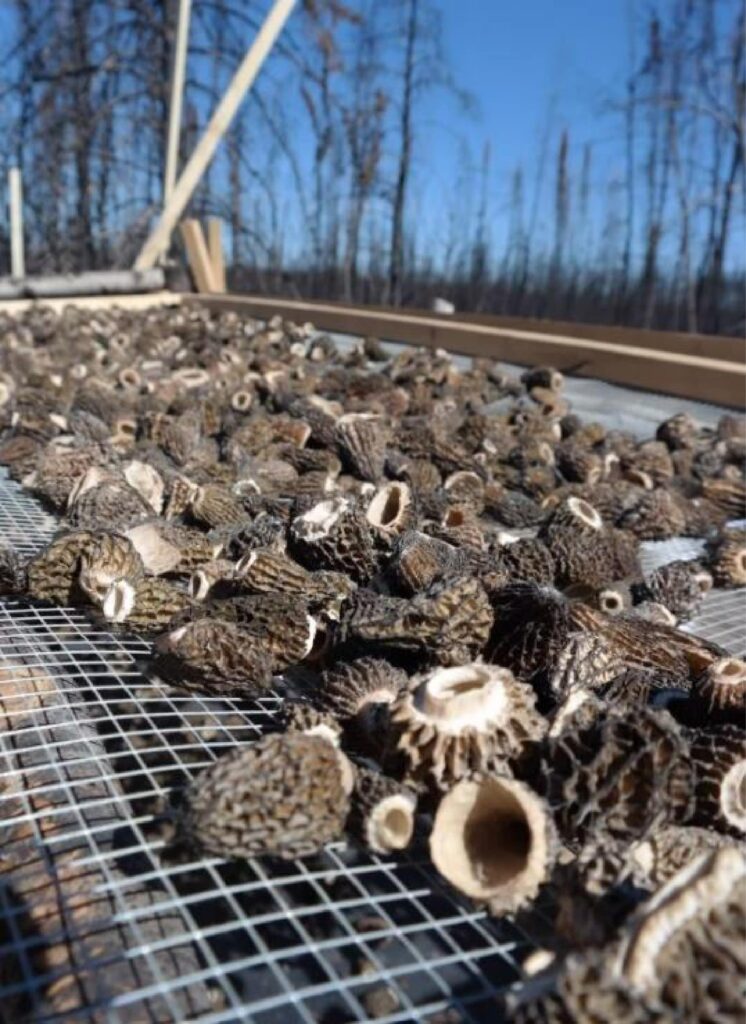
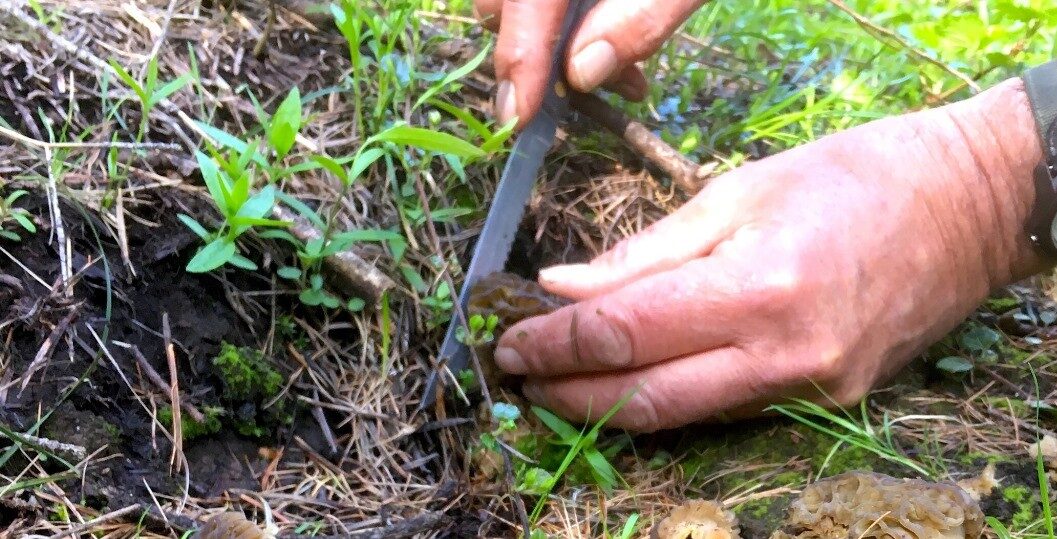
At Wildwood Harvest, our morels are sustainably foraged from the Himalayan foothills during their brief spring season. We follow strict post-harvest practices:
Our dehydrated morels retain the dense nutrition and exquisite taste of fresh morels, making them ideal for soups, sauces, risottos, and gourmet dishes.
A geographical indication (GI) tag has been obtained for Morel mushroom also locally called “Gucchi” that is naturally grown in Jammu and Kashmir, Himalayas and is one of the costliest mushrooms in the world.