
Exceptional Vitamin C Content: Sea Buckthorn berries are one of the richest natural sources of vitamin C, averaging 998 mg per 100 g—about three times more than kiwi, six times more than citrus fruits, and eighty times more than tomatoes. Unlike other fruits, seabuckthorn lacks the enzyme that breaks down vitamin C, meaning it retains this powerful antioxidant even when dried or processed. Its ascorbic acid content is even over 100 times greater than apples, bananas, or peaches.
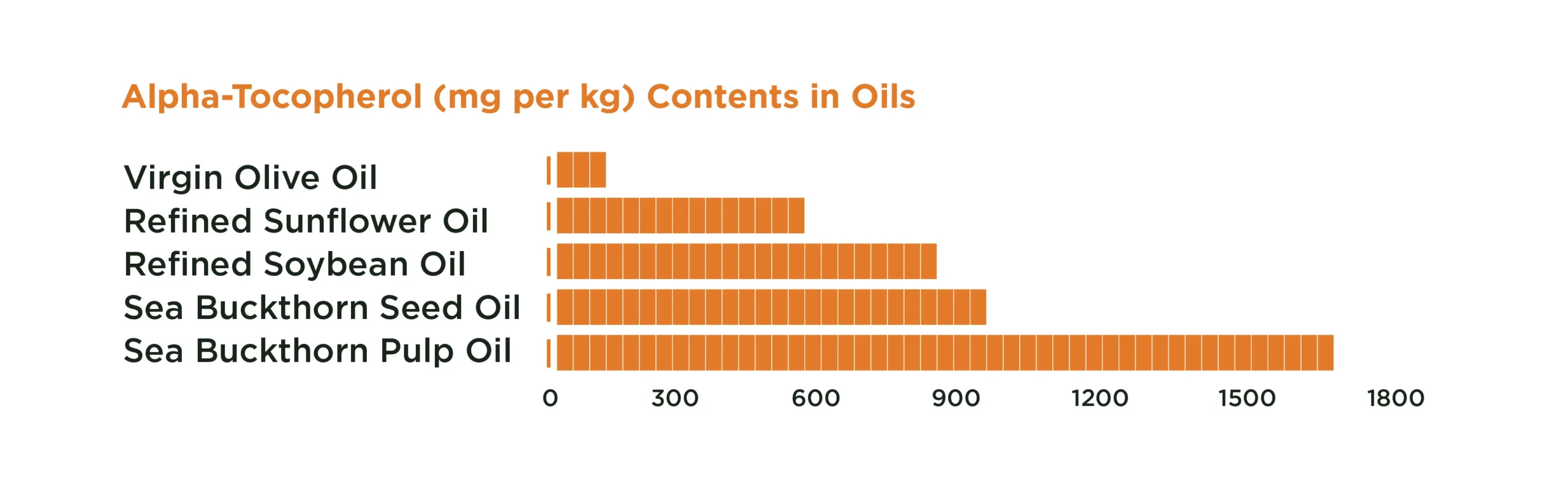
Powerful Source of Vitamin E: Sea Buckthorn is incredibly rich in vitamin E, particularly α-tocopherol, which is a natural antioxidant. Its pulp and seed oil have significantly higher vitamin E levels than tomato paste, spinach, olives, and even avocado. Compared to virgin olive oil and refined sunflower oil, seabuckthorn has considerably more tocopherols, making it a superior natural source. This vitamin supports immune health, prevents cell damage, and helps maintain healthy skin and vision.
Full Spectrum B Vitamins: Sea Buckthorn pulp provides a broad spectrum of B vitamins including riboflavin, niacin, pantothenic acid, and vitamin B6. These amounts surpass what is found in many other fruits. B vitamins are essential for energy production, brain function, and red blood cell development. Because seabuckthorn offers such a complete vitamin profile, it’s especially beneficial for people living in high-altitude or remote areas where access to fresh produce is limited.
Rich in Carotenoids: The vibrant yellow to red color of Sea Buckthorn berries comes from their high carotenoid content. The berries contain more carotenoids than red palm oil—previously considered one of the richest sources. Key compounds include beta-carotene, lycopene, and zeaxanthin, which are important for eye health and immune defense. These carotenoids also provide provitamin A activity, making Sea Buckthorn an excellent plant-based source for maintaining vision and skin health.
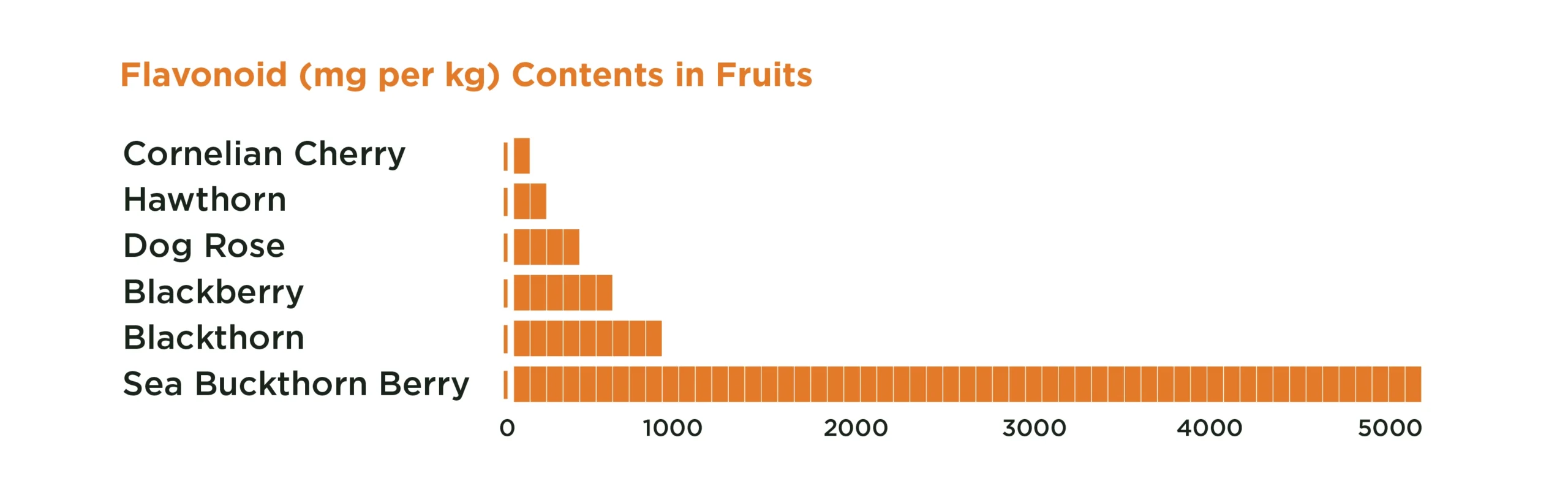
Flavonoid Powerhouse: Sea Buckthorn berries are packed with flavonoids, reaching concentrations up to 8,590 mg/kg. This is far greater than what’s found in hawthorn, blackberry, or dog rose. Flavonoids are known for their antioxidant and anti-inflammatory properties. They help combat oxidative stress and reduce the risk of chronic diseases like cardiovascular issues, diabetes, and even certain cancers. Among the different flavonoids, flavanols are the most dominant in seabuckthorn.
Heart-Healthy Phytosterols: Phytosterols in Sea Buckthorn closely resemble cholesterol in structure and help reduce bad cholesterol levels. The berries contain 4 to 20 times more phytosterols than soybean oil, making them a potent heart-friendly food. Sitosterol is the primary phytosterol, along with campesterol and stigmasterol. These plant compounds are distributed throughout the seed, pulp, and oil, adding to seabuckthorn’s overall cardiovascular benefits and potential for cholesterol management.
High-Quality Protein and Amino Acids: Sea Buckthorn berries are protein-rich, containing up to 129 g/kg—more than strawberries, raspberries, or even blackberries. The seed itself contains 38% protein. The berries also provide all essential amino acids, including lysine, leucine, and methionine, making it a complete plant-based protein source. This makes Sea Buckthorn ideal for both nutritional supplementation and as an unconventional protein source for humans and livestock, especially in regions with limited access to meat.
Balanced Omega Fatty Acids: Seabuckthorn seed oil has an ideal 1:1 ratio of omega-3 to omega-6 fatty acids—uncommon in most modern diets where omega-6s dominate. This balanced ratio is essential for reducing inflammation and supporting heart and brain health. The oil also contains omega-7 and omega-9 fatty acids, such as palmitoleic and oleic acids, which are rare and highly beneficial for skin repair, metabolic health, and maintaining healthy cholesterol levels.
Beneficial Organic Acids: Sea Buckthorn is rich in organic acids like malic and quinic acid, which make up 98% of its total fruit acids. These compounds contribute to its distinctive tangy flavor and support digestive health. Their presence also helps preserve the juice and enhance the berry’s functional properties, making Sea Buckthorn a natural choice for gut-friendly formulations and beverages.
Mineral-Dense Superfruit: The berries are loaded with at least 24 essential minerals including high levels of potassium, calcium, iron, magnesium, and sodium. When compared to fruits like mango, apricot, and orange, Sea Buckthorn contains significantly more calcium, sodium, zinc, and manganese. This mineral richness supports bone health, electrolyte balance, and energy metabolism—especially important in cold or high-altitude climates where mineral loss through excretion is higher.
Excellent Fiber Source: With 62 g of fiber per kg of dry weight, Sea Buckthorn berries are a potent source of dietary fiber. This includes both soluble and insoluble types, which aid digestion, regulate blood sugar, and support a healthy gut. Fiber also contributes to feelings of fullness, making Sea Buckthorn a smart ingredient in functional foods and weight management products.